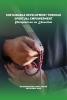
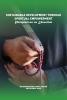
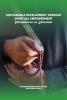
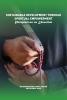
Sustainable Development through Spiritual Empowerment: Perspectives on Education
“Sustainable Development through Spiritual Empowerment: Perspectives on Education” offers a transformative exploration of how spirituality can drive sustainable development, integrating principles of social justice, environmental sustainability, and economic equity. Drawing on the insights of renowned thinkers like al-Ghazali, Ibn Qayyim, and Syed Qutb, this book emphasizes the profound influence of spirituality on mental health, personal resilience, and ethical behavior. Through contributions from global scholars presented at the International Conference on Human Sciences and Civilisations, this edited volume delves into the interconnections between spirituality, education, and sustainability. It highlights how spiritual practices such as mindfulness and reflection can cultivate a deeper sense of purpose, compassion, and interconnectedness, empowering individuals and communities to pursue sustainable development even amidst challenges. With a holistic approach to sustainability, this book is a vital resource for those seeking to understand the synergistic potential of spirituality in creating a more resilient, equitable, and sustainable future.
All Books
DIFFICULTIES ENCOUNTERED BY PRE-SERVICE ENGLISH STUDENT TEACHERS AND THE CAREER ASPIRATIONS IN HBUN
HUBUNGAN ANTARA GAYA KEIBUBAPAAN DENGAN PENGHARGAAN KENDIRI DALAM KALANGAN PELAJAR SEKOLAH MENENGAH
KAEDAH DAN PROSES PEMBELAJARAN TAHFIZ DALAM KALANGAN MURID DI SEKOLAH MENENGAH AGAMA AL-IHSAN, KUANTAN
KEBERKESANAN KAEDAH PENGAJARAN DAN PEMBELAJARAN MENGGUNAKAN MEDIUM MEDIA SOSIAL DALAM KALANGAN GURU SAR-KAFA UNTUK MENINGKATKAN KUALITI PENDIDIKAN
KEBERKESANAN PROGRAM PENDIDIKAN KAFA DALAM PEMBANGUNAN ADAB DAN KEROHANIAN MURID: KAJIAN DI DAERAH KUANTAN
KERANGKA PROGRAM TAHFIZ-TECHNICAL VOCATIONAL EDUCATION AND TRAINING (TVET): PERSPEKTIF UMPSA
LEADER STRATEGIES TO ENHANCE INSTITUTION’S COMPETITIVENESS: LEARNING FROM ISLAMIC EDUCATION INSTITUTIONS IN INDONESIA
OVERCOMING STUDENTS’ DIVERSITY THROUGH DIFFERENTIATED LEARNING: AN ANALYSIS OF TEACHER PRACTICES IN MADRASAH
STUDENTS’ INTENTION TOWARDS SUSTAINABILITY: THE MODERATING ROLE OF EMOTIONAL INTELLIGENCE